Propofol is the workhorse IV hypnotic for induction, maintenance, and procedural sedation in modern anesthesia practice. Its extremely rapid onset, short context-sensitive half time, and favorable recovery profile make it central to CRNA practice in the OR, PACU, and ICU. Understanding its pharmacology lets you anticipate hemodynamic and respiratory effects, leverage its neuroprotective and antiemetic properties, and avoid serious complications such as propofol infusion syndrome (PRIS).
By the end, you should be able to:
Understand the onset, duration, and recovery profile of propofol.
Explain the molecular mechanism of action of propofol and relate it to CNS and systemic effects.
Interpret the pharmacokinetic profile of propofol, including context-sensitive half time, and apply it to infusion planning.
Select appropriate doses and infusion ranges for induction, maintenance, and sedation in different patient populations.
Drug Classification & Structure
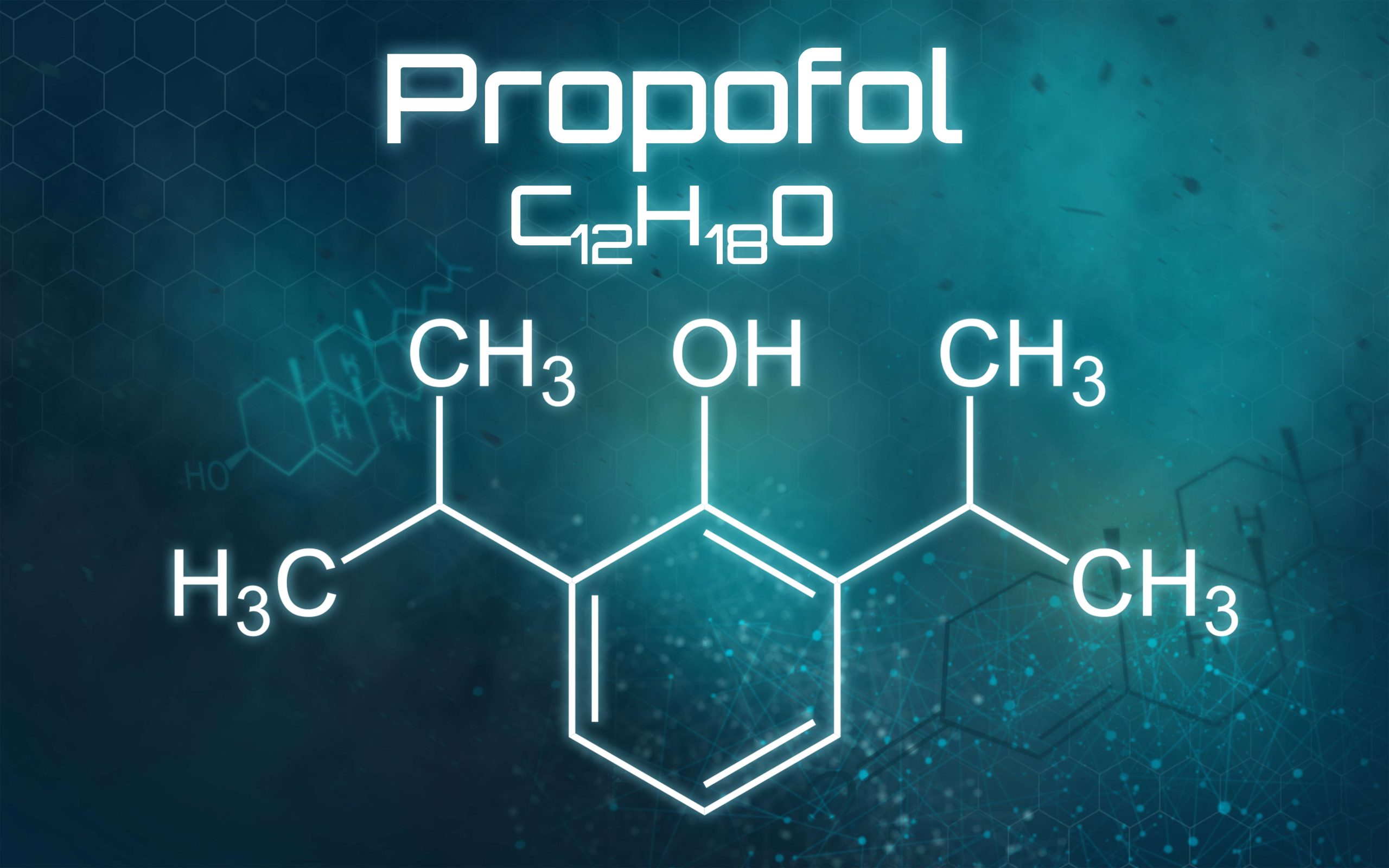
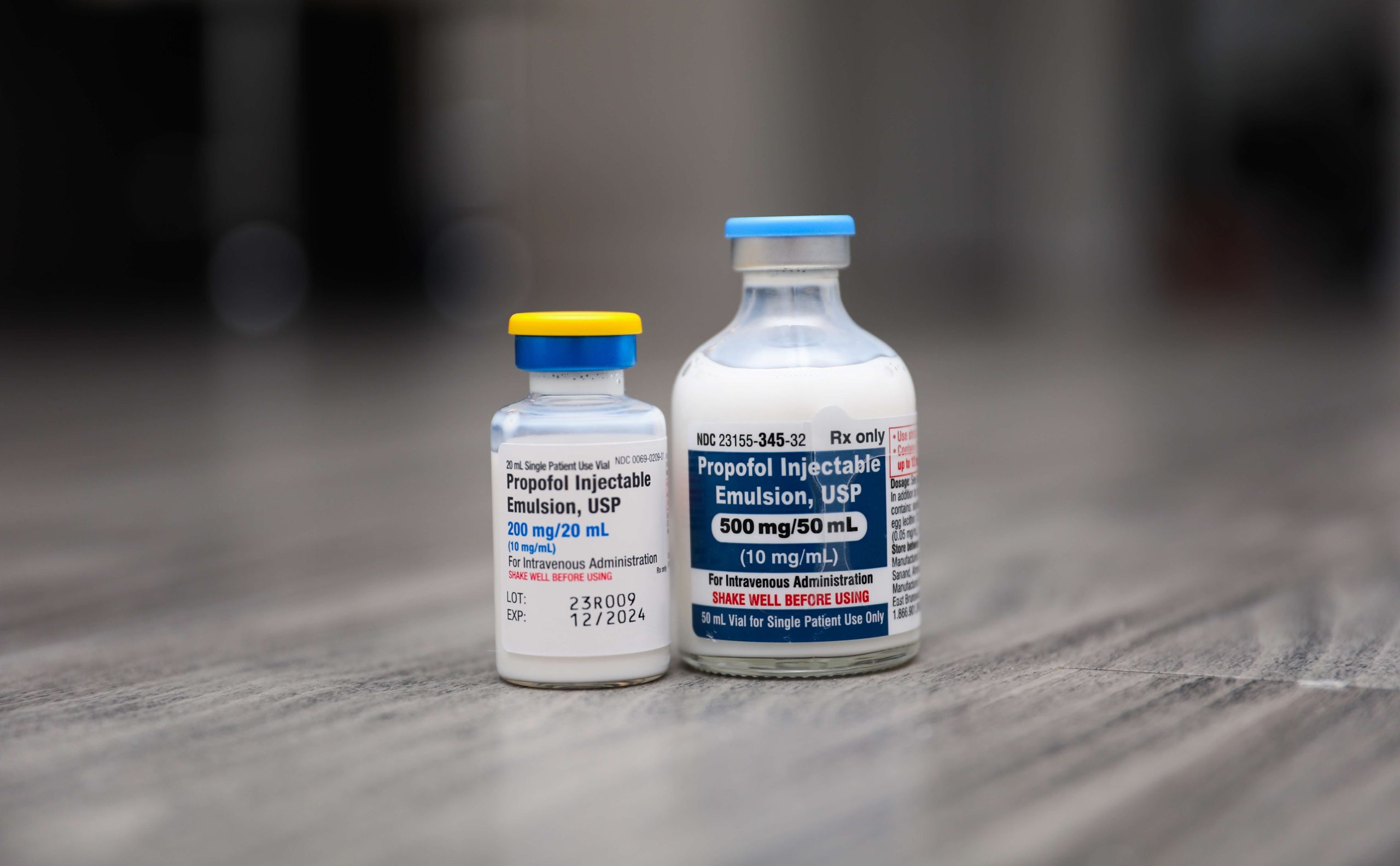
Propofol is a highly lipophilic IV hypnotic of the alkylphenol class, chemically identified as 2,6-diisopropylphenol. It is practically insoluble in water and is supplied as a white oil-in-water lipid emulsion. This formulation is responsible for both its desirable rapid CNS penetration and some of its practical issues, such as infection risk and pain on injection.
Generic propofol contains 0.025% sodium metabisulfite or benzyl alcohol
Mechanisms of Action
Propofol produces hypnosis primarily through potentiation of inhibitory neurotransmission in the central nervous system. It acts as a positive allosteric modulator of the GABA-A receptor, which is the main inhibitory receptor in the brain. By enhancing GABA-mediated chloride influx, propofol increases neuronal hyperpolarization and decreases neuronal excitability to produce hypnosis and sedation.
Some inhibition of NMDA and nicotinic acetylcholine receptors
Modulation of glycine and other ligand-gated channels
Net CNS effect: decreased cortical and subcortical activity, reduced cerebral metabolic rate of oxygen (CMRO₂), and hypnotic effect ± amnesia
Clinically, this mechanism explains the profound loss of consciousness, EEG slowing, anticonvulsant properties, and the absence of intrinsic analgesia (does not affect pain pathways or opioid receptors).
Pharmacokinetics
Propofol displays multicompartment kinetics with extremely rapid distribution into the brain followed by redistribution to muscle and fat. Its high clearance and short context-sensitive half time support its use in TIVA and titratable sedation.
Main PK Properties:
Onset: 30–45 seconds after IV bolus (one arm–brain circulation time). Peak effect ~60-90 seconds
Distribution: 2–8 minutes; rapid decline in plasma concentration due to redistribution accounts for short duration after a single bolus. Duration of a single induction bolus ~5-10 minutes depending on dose and patient factors.
Model: typically described by a 3-compartment model with a large steady-state volume of distribution
Protein binding: ~95–99 percent; mainly to albumin and erythrocytes; only the unbound fraction is pharmacologically active. Decreased plasma protein levels (severe ESRD/ESLD; pregnancy) may lower drug binding and increase the free active fraction which can increase clinical effects.
Metabolism:
Metabolized by CYP2B6, UGTHP4, and CYP2C6
Extensive hepatic metabolism via conjugation (glucuronidation) and hydroxylation to inactive metabolites
Significant extrahepatic metabolism, especially in the lungs and possibly kidneys, contributes to high clearance. There are no changes in elimination in patients with severe cirrhosis due to these extrahepatic sites.
Clearance: high (approaching or exceeding hepatic blood flow), which helps maintain short context-sensitive half times for many clinical infusion durations
Elimination: primarily renal excretion of inactive metabolites; small amounts in bile. Less than 1% is excreted unchanged.
Context-sensitive Half Time:
After short to moderate infusions (up to several hours), the context-sensitive half time remains relatively short compared with many other IV agents
This supports smooth wake-up and rapid titration for sedation, but very long, high-dose infusions can still lead to prolonged emergence and metabolic complications
What is context-sensitive half time?
The traditional idea of half-life—how long it takes for the concentration of a drug in the body to drop by half—does not always apply well to continuous infusions. When a drug is given continuously, the time it takes to clear from the body depends on how long the infusion has been running. To explain this, the concept of context-sensitive half-time was developed. The word “context” refers to the duration of the infusion. Context-sensitive half-time is the amount of time it takes for the plasma drug concentration to decrease by 50% after stopping an infusion. The longer a drug has been infusing, the more it may accumulate in certain tissues, which can lengthen its time to offset. This concept is explored in more detail in the Pharmacokinetics Module.
Pharmacodynamics
Propofol’s PD profile is dominated by strong CNS depression, significant cardiovascular depression, and potent respiratory depression.
Central Nervous System:
Rapid onset hypnosis ± amnesia, but no analgesia
Decreases CMRO₂, cerebral blood flow (CBF), and intracranial pressure (ICP) and cerebral perfusion pressure (CPP) while preserving autoregulation and CO₂ reactivity
Anticonvulsant properties; increases the seizure threshold (makes it harder for a seizure to occur); can be used for refractory status epilepticus
Antiemetic effect at low doses (e.g. 10-20 mg), reducing postoperative nausea and vomiting (PONV). TIVA instead of inhaled anesthetics can be used in severe PONV patients
Cardiovascular System:
Decreases systemic vascular resistance via arterial and venous vasodilation
Direct negative inotropic effect reduces myocardial contractility
Decreases preload and afterload, with a fall in arterial blood pressure after induction
Blunts baroreflex, so heart rate may not increase appropriately; bradycardia can occur
Effects are exaggerated in hypovolemic, elderly, cardiac-compromised patients or the co-administration of other agents like high-dose fentanyl
Respiratory System:
Dose-dependent respiratory depression with decreased tidal volume (↓↓) and respiratory rate (↓)
Apnea is common after induction doses, especially when combined with opioids. Depends on dose, speed of injection and patient characteristics
Decreased ventilatory response to hypercapnia and hypoxia
Decreases upper airway reflexes, facilitating LMA insertion and endotracheal intubation with less coughing
Safe for asthmatic patients (propofol or ketamine are preferred for these patients); minimal bronchodilating effect; respiratory resistance is lower and wheezing is decreased compared to etomidate
Other Systems:
Decreases intraocular pressure, helpful in ophthalmic cases if systemic BP is maintained
Can cause injection site pain (60% incidence), likely due to activation of nociceptive receptors in the venous endothelium and the emulsion itself. Choose a larger vein for IV, push very slowly, or pre-treat vein with lidocaine 20-50 mg
Long infusions may increase serum triglycerides and lead to lipid overload
Myoclonus (spontaneous excitatory muscle movements) due to selective disinhibition of subcortical centers. This occurs more frequently from etomidate
Antipruritic effect (anti-itching) for patients with opioid-induced pruritus
Easily crosses the placental barrier when given to a parturient and sedative effects can occur in the neonate. May result in lower APGAR scores if given just prior to delivery.
Dosage & Administration
Dosing of propofol must be individualized based on age, comorbidities, hemodynamic status, concomitant drugs, and the desired depth of hypnosis or sedation. Always think in mg/kg for bolus and mcg/kg/min for infusions, and always anticipate the hemodynamic consequences before you inject.
Typical Adult Doses (Healthy, ASA I-II)
Induction of anesthesia:
1.5–2.5 mg/kg IV bolus in adults.
Maintenance of anesthesia (TIVA) with opioid and adjuncts:
Approximately 75–150 mcg/kg/min continuous infusion
Sedation (MAC / procedural):
Initial bolus 0.25–0.5 mg/kg, then 25–100 mcg/kg/min infusion titrated to effect
Elderly, Hypovolemic, or Cardiac-compromised Adults
Induction: 0.5–1.5 mg/kg, administered slowly in small increments (e.g., 20–40 mg at a time) while monitoring BP and responsiveness
Maintenance and sedation: start at the lower end of infusion ranges and titrate carefully
Consider vasopressor support just before or during induction doses of propofol
Pediatric Dosing
Children require relatively higher induction doses due to higher clearance and volume of distribution.
Induction: 2.5 to 3.5 mg/kg IV in healthy children
Maintenance: 125 to 300 mcg/kg/min for TIVA, adjusted to response. Infusion rates are slightly higher than adults depending on age and procedure.
Practical Administration Tips
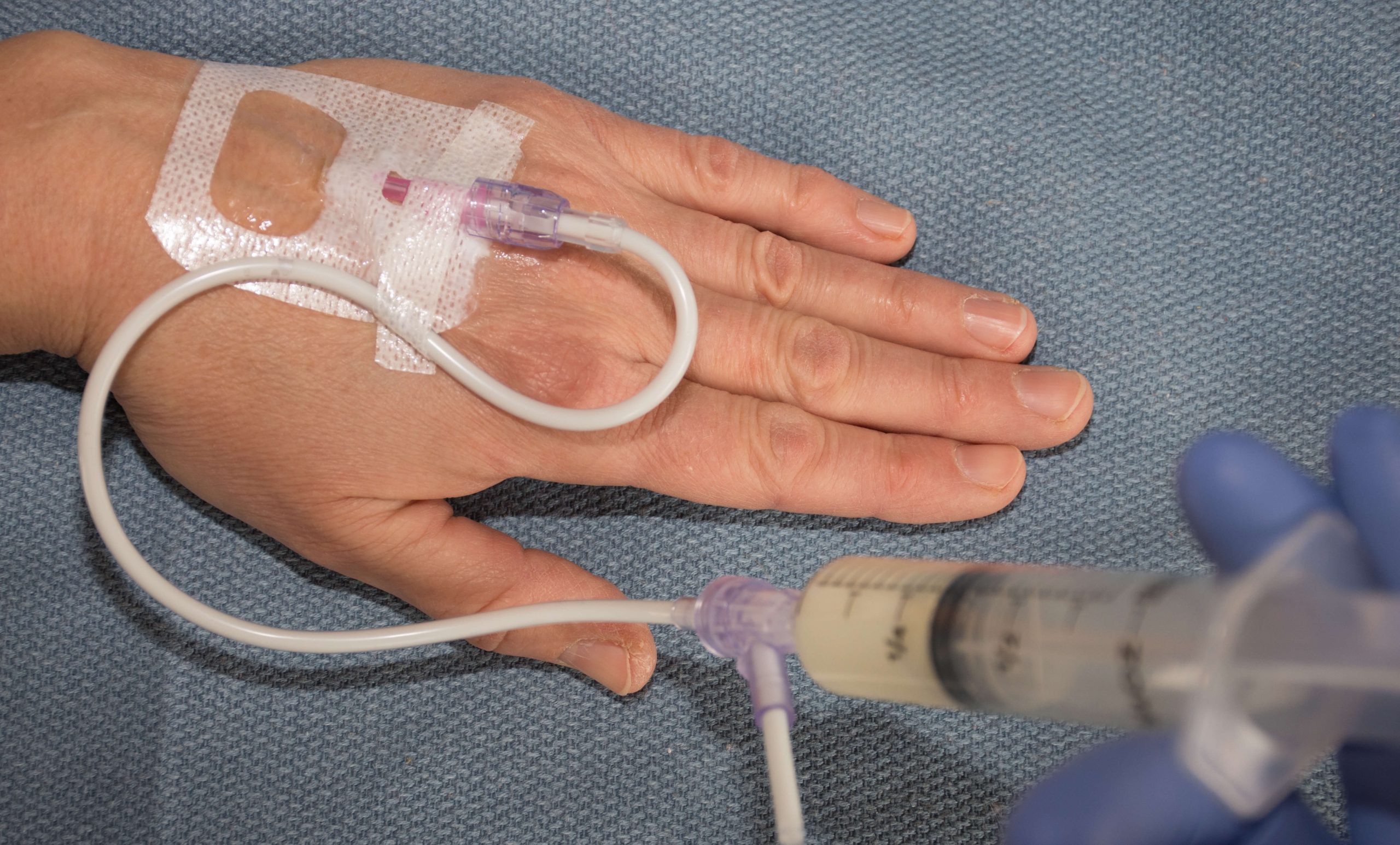
Use a large vein in the forearm or antecubital fossa to reduce injection pain
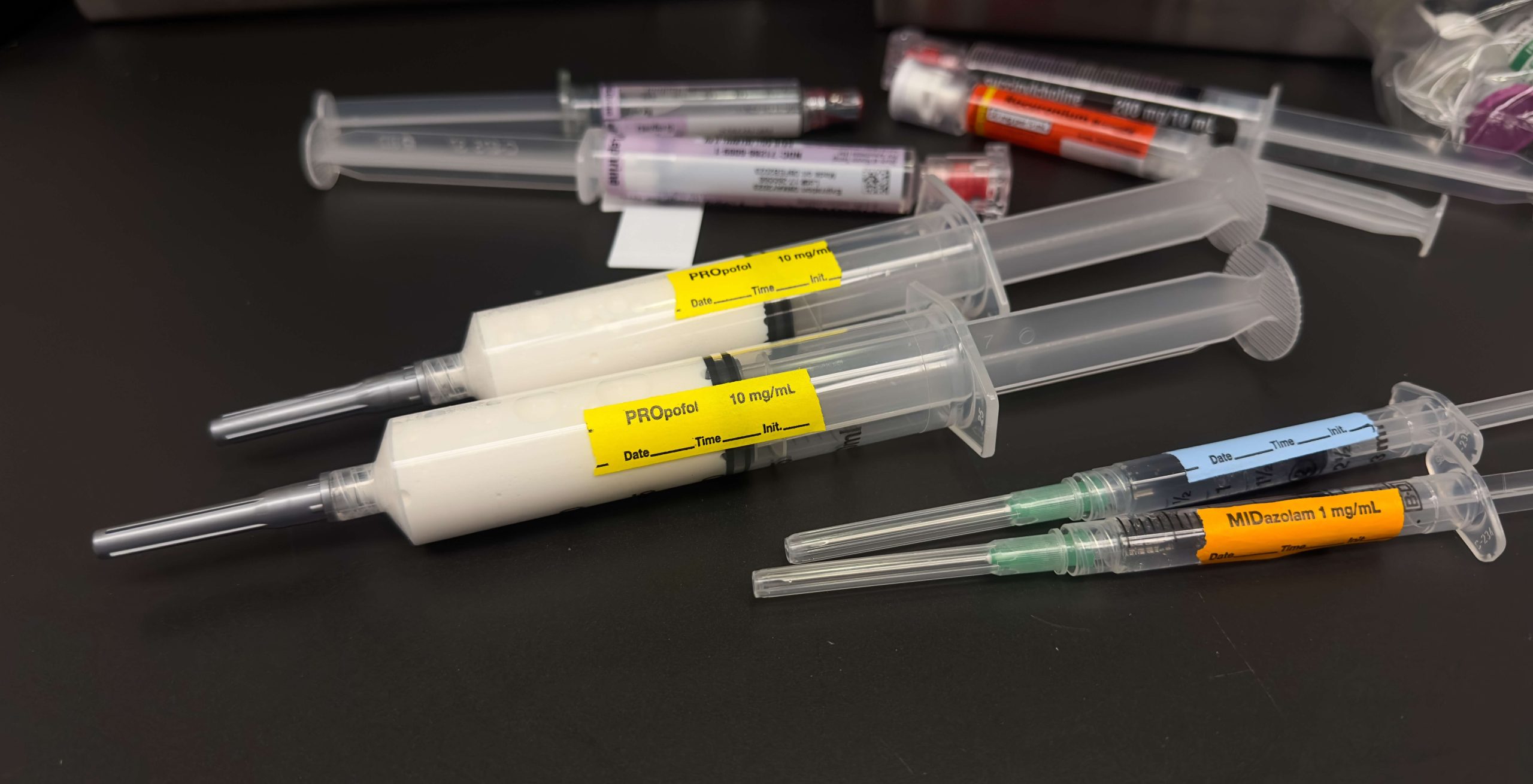
Small bolus of lidocaine (20–50 mg) IV immediately before. Some practitioners will mix lidocaine with propofol but this can cause large lipid droplets to occur in the syringe
Strict aseptic technique, with infusion lines and vials discarded within recommended time limits to reduce infection risk
Clinical Uses
Propofol’s versatility spans induction, maintenance, and sedation across multiple settings.
Major Indications:
Induction of general anesthesia for nearly all types of surgery
Maintenance of anesthesia as part of TIVA, often combined with short-acting opioids and adjuncts
Sedation for:
Monitored anesthesia care (MAC) Short procedures (endoscopy, cardioversion, TEE, minor surgical interventions)
Out of OR Anesthesia (EP lab, IR, CT/MRI)
ICU sedation for ventilated patients, usually time-limited and carefully monitored for PRIS and hypertriglyceridemia
Adjunct for PONV prevention/treatment and for reduction of opioid-induced pruritus at low doses.
Adverse Effects, Toxicity & Drug Interactions
Common Adverse Effects:
Hypotension from vasodilation and myocardial depression
Apnea or significant respiratory depression, especially when combined with opioids
Pain on injection, especially in small hand veins
Transient myoclonic movements or opisthotonus-like posturing (back-arching posture; usually self-limited)
Less Common or Benign Effects:
Mild bradycardia without hypotension
Green or pink discoloration of urine due to metabolites
Hypertriglyceridemia with prolonged or high-dose infusions
Serious Adverse Effects & Toxicities:
ALLERGIC & ANAPHYLACTOID REACTIONS:
True IgE-mediated allergy is rare but possible
Reactions may involve hypotension, bronchospasm, and rash or full anaphylaxis
Can patients with an egg, soy or peanut allergy have propofol?
Although propofol contains egg lecithin and soybean oil, there is little evidence that patients with egg, soy, or peanut allergy are at increased risk when receiving propofol. Egg-allergic patients typically react to egg-white proteins, not the egg-yolk lecithin found in propofol, and refined soy oil used in the emulsion has allergenic proteins removed. Similarly, the concern about peanut allergy is based on theoretical cross-reactivity among legumes, but no data support avoiding propofol in peanut-allergic patients. Retrospective data show safe administration in most egg-allergic individuals, with caution only suggested for patients with a history of true egg anaphylaxis. Overall, propofol can generally be used safely in patients with egg, soybean, or peanut allergies.
INFECTION RISK:
The lipid emulsion supports microbial growth; contaminated propofol has been implicated in clusters of postoperative infection
This is preventable with strict aseptic technique, adherence to vial and line change intervals, and avoiding multi-patient use of opened vials
DRUG INTERACTIONS:
Potent synergy with opioids, benzodiazepines, volatile anesthetics, and other CNS depressants for both hypnosis and respiratory depression
Concurrent antihypertensives, beta blockers, and vasodilators increase risk of hypotension and bradycardia
Enzyme-inducing drugs may enhance clearance, increasing infusion requirements, whereas severe hepatic or cardiac failure may reduce clearance
PROPOFOL INFUSION SYNDROME:
Rare but potentially fatal syndrome associated with prolonged high-dose infusions, especially in critically ill patients and children.
Occurs in doses ≥ 4 mg/kg/hr (≥ 67 micrograms/kg/min) for longer than 24–48 hours, especially with concomitant administration of catecholamines and corticosteroids.
Mechanism
Propofol infusion syndrome is believed to result from impaired mitochondrial oxidative phosphorylation and inhibition of acylcarnitine transferase, which prevents normal fatty acid transport into mitochondria. This disruption reduces ATP production and promotes a shift to anaerobic metabolism, leading to metabolic acidosis, cardiac failure, and rhabdomyolysis.
Features
Metabolic (lactic) acidosis
Rhabdomyolysis and markedly elevated CK
Hyperkalemia
Bradycardia, hypotension, cardiac failure, arrhythmias, and cardiovascular collapse
Green crystalized urine
Renal failure, hepatomegaly, elevated LFTs, and lipidemia
Pulmonary edema
Management
Immediate discontinuation of propofol
Switching to alternative sedation
Aggressive supportive therapy and organ support
Improve gas exchange
Cardiac pacing for bradycardia
PDE inhibitors
Glucagon
ECMO (extracorporeal membrane oxygenation)
CRRT (continuous renal replacement therapy)
Contraindications & Precautions
Absolute and relative contraindications guide your decision to choose propofol or to modify dosing.
Absolute or Strong Contraindications:
Documented anaphylaxis or serious hypersensitivity to propofol or to components of the formulation
History of PRIS related to propofol in the same patient
Formulations containing sodium metabisulfite in sulfite-sensitive patients (more common in asthma patients)
Disorder of lipid metabolism
Egg or Soy Allergy Consideration (see above):
Older formulations led to concern about egg and soy allergies due to egg lecithin and soybean oil in the emulsion
Current evidence suggests that many patients with food allergies to egg or soy tolerate propofol safely, but institutional policies vary and some clinicians still exercise caution in patients with severe anaphylactic food allergy
Relative Contraindications/Major Precautions:
Marked hypovolemia, cardiogenic shock, or severe systolic dysfunction
Severe valvular disease, especially aortic stenosis, where sudden afterload drops can be dangerous
Severe COPD, OSA, or baseline respiratory depression, given high risk of apnea Severe hyperlipidemia, or pancreatitis when prolonged infusion is planned
Pediatrics, particularly for prolonged ICU sedation, due to higher relative PRIS risk
Pregnancy: crosses the placenta and may cause neonatal depression with induction; brief use for induction is common, but continuous maternal sedation requires careful risk–benefit assessment
Pediatric patients with cardiac mitochondrial disease may be affected by large doses. Propofol inhibits ATP synthesis (mitochondrial acylcarnitine transferase & oxidative phosphorylation)
Anesthesia Considerations, Special Notes & Clinical Pearls
Propofol is extremely forgiving in healthy adults but can be hazardous in fragile patients. Your practice must be proactive about hemodynamics, airway, and infusion safety.
Hemodynamic Management:
Pre-induction assessment for hypovolemia, sepsis, and cardiac disease is essential
Consider fluid loading and ready vasopressor support for high-risk patients
Use reduced doses and slow titration rather than a full rapid bolus in elderly, hypovolemic, or cardiac-compromised patients.
Ventilation & Airway:
Be prepared for immediate apnea after induction, especially when combined with opioids
Ensure functional suction, oxygen source, and airway adjuncts are available before giving the induction dose
For MAC and procedural sedation, maintain verbal contact, use capnography, and titrate slowly to avoid loss of airway reflexes unless you are prepared to manage the airway
Neurosurgical & Neuro Critical Care:
Propofol is favorable for controlling ICP and CMRO₂ when MAP is maintained; it is a common agent for neuroanesthesia and neuro-ICU sedation
Avoid excessive hypotension that might compromise cerebral perfusion pressure
Injection Pain:
Use a large forearm or antecubital vein when possible
A small IV lidocaine bolus (20–40 mg) with or just before propofol reduces pain
Slow injection. Make sure the BP cuff doesn’t inflate at the same time if on the same side as the IV
Monitoring Prolonged Infusions:
Monitor serum triglycerides and signs of metabolic acidosis for ICU patients on longer propofol infusions.
Avoid exceeding high-risk dose thresholds for prolonged periods; use alternative sedatives if deep sedation is needed for days.
How would you titrate propofol during induction of a fragile patient?
For elderly or hemodynamically unstable patients, titrate propofol in 20–40 mg increments every 20–30 seconds while watching level of consciousness and blood pressure. The goal is loss of response to verbal command with minimal BP drop, not “finishing the syringe.”
How would you use propofol as an antiemetic?
A small bolus of propofol (10–20 mg) during emergence or early in PACU can help treat PONV, especially in patients already receiving propofol-based anesthesia. This is particularly useful when you want to avoid additional dopamine antagonists or serotonin antagonists in high-risk patients, or if those agents are not working.
What are ways to recognize PRIS early?
In patients receiving prolonged propofol infusions, new metabolic acidosis, rising lactate, unexplained tachyarrhythmias, or rapidly climbing CK should trigger immediate concern for PRIS. Stop propofol, switch to an alternative sedative, and escalate supportive care without delay.
Key Takeaways
Propofol is a sedative-hypnotic in a lipid emulsion, with rapid onset and short context-sensitive half time that support its use for induction, maintenance, and sedation.
It enhances GABA-A activity, producing hypnosis and amnesia but no intrinsic analgesia, while lowering CMRO₂, CBF, and ICP.
Major adverse effects are dose-dependent hypotension and respiratory depression, often exacerbated by hypovolemia, comorbidities, and concurrent CNS depressants.
Typical adult induction dosing is 1.5–2.5 mg/kg, with lower and more carefully titrated dosing for elderly and hemodynamically unstable patients; TIVA and sedation use weight-based infusions titrated to clinical effect.
Propofol infusion syndrome is a rare but life-threatening complication of prolonged high-dose infusions, especially in critically ill patients, and requires high suspicion and immediate discontinuation of the drug.
Strict aseptic technique and adherence to discard times are mandatory because the lipid emulsion supports bacterial growth.